Current Status of Waste Gasification Power Generation Research:What is the current status of waste gasification power generation research?
Q: What is the current status of waste gasification power generation research?
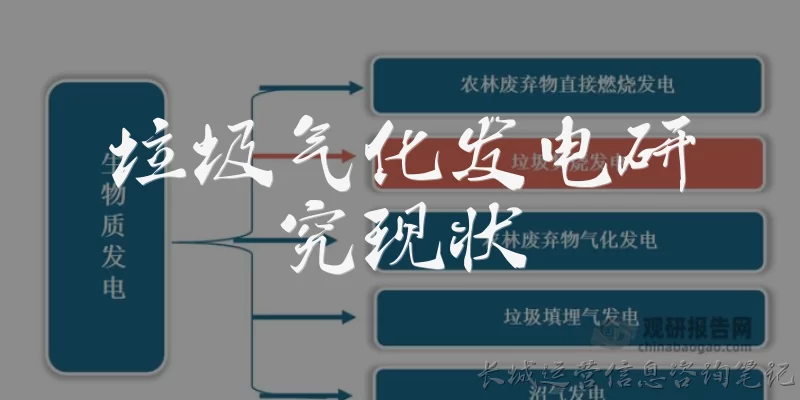
A: Waste gasification power generation research is currently in a transitional phase, moving from laboratory-scale studies toward pilot and demonstration plants, but it has not yet achieved widespread commercial maturity. The core process involves converting municipal solid waste or biomass into syngas—mainly carbon monoxide and hydrogen—through high-temperature partial oxidation, which can then drive gas engines or turbines. Recent research focuses on improving gasification efficiency, tar removal, and syngas cleaning to meet engine specifications. Several pilot projects in Europe and Asia have demonstrated net electricity generation, but challenges remain: high capital costs, feedstock variability, and ash management. Academic interest has shifted toward plasma gasification and two-stage gasification to produce cleaner syngas and reduce dioxin formation. Life-cycle assessments show potential greenhouse gas savings compared to landfilling, but economic viability depends on gate fees and energy prices. Overall, the field is active with over 100 published studies annually, yet no single technology dominates. Key research gaps include long-term operational data, scaling laws, and integration with carbon capture. Policy support, such as renewable energy credits, remains crucial for advancing from pilot to commercial deployment.
Q: What are the key technical challenges hindering waste gasification power generation research today?
A: The foremost technical challenge in waste gasification power generation research is tar formation, which clogs downstream equipment and reduces syngas quality. Researchers are testing catalytic cracking, thermal plasma, and scrubbing methods, but none are universally cost-effective. Second, feedstock heterogeneity—varying moisture, calorific value, and composition—makes stable gasification difficult. Advanced sensors and AI-based control systems are being explored to adapt to real-time changes. Third, ash and slag management, especially from municipal solid waste containing heavy metals and chlorine, poses corrosion and disposal issues. High-temperature slagging gasifiers address this but increase energy consumption. Fourth, syngas cleaning to remove particulates, sulfur, and alkali compounds to meet internal combustion engine or gas turbine tolerances remains complex and expensive. Fifth, scaling from pilot (1–5 MW) to commercial (20–100 MW) introduces heat transfer and residence time challenges. Recent research integrates CO2 capture and utilization, but this adds another layer of complexity. Overall, while laboratory breakthroughs are frequent, translating them into reliable, continuous power generation at competitive costs is still the main bottleneck. Interdisciplinary efforts in materials science, chemical engineering, and process control are essential to overcome these barriers.
Q: What are the recent advances and future directions in waste gasification power generation research?
A: Recent advances in waste gasification power generation research include the development of plasma-assisted gasification, which achieves higher temperatures and destroys tar and dioxins more effectively, though at higher electricity costs. Two-stage gasification, separating pyrolysis and char gasification, has shown improved syngas yield and lower tar in pilot plants. Another promising direction is chemical looping gasification, which uses oxygen carriers to produce nitrogen-free syngas suitable for efficient power cycles. Researchers are also integrating gasification with solid oxide fuel cells to boost electrical efficiency beyond 40%, compared to 20–30% for conventional gas engines. Machine learning algorithms now optimize reactor conditions in real time, reducing fluctuations from feedstock variability. Future research is expected to focus on modular, small-scale systems for decentralized waste-to-energy, reducing transportation costs. Coupling with carbon capture and storage (CCS) or utilization (CCU) aims for negative emissions when processing biogenic waste. Additionally, hybrid systems combining gasification with anaerobic digestion for wet fractions are gaining attention. However, economic viability still depends on policy incentives and tipping fees. Over the next decade, demonstration plants at 10–50 MW scale will be critical to validate these advances and attract investment, moving the technology closer to commercial reality.
Words of experience
Common scenarios of "Current Status of Waste Gasification Power Generation Research"
【Professor Chen】 Good morning, everyone. Today we're here to discuss the current status of waste gasification power generation research. I've invited Dr. Liu, an expert in thermal conversion, and Ms. Wang, a policy analyst. Let's start with a general overview. Dr. Liu, could you summarize where the technology stands today?
【Dr. Liu】 Sure. Waste gasification for power generation has moved from lab-scale to pilot and some commercial demonstrations. The core process involves heating waste at high temperatures with limited oxygen to produce syngas, which can drive a gas turbine or engine. Key advantages include reduced landfill use and lower emissions compared to incineration. However, challenges remain in tar handling, syngas cleaning, and economic viability.
【Ms. Wang】 From a policy perspective, several countries in Europe and Asia have implemented feed-in tariffs or subsidies for advanced waste-to-energy, including gasification. But the regulatory framework is still fragmented. The EU's Waste Framework Directive and circular economy goals push for higher recycling, which could limit feedstock availability for gasification.
【Professor Chen】 That's an important point. Feedstock composition and pre-treatment are critical. Dr. Liu, what are the main technical hurdles in gasifier design and syngas conditioning?
【Dr. Liu】 The biggest issues are tar formation and ash melting. Tars can condense and foul downstream equipment. Current research focuses on catalytic tar cracking, using dolomite or nickel-based catalysts, and high-temperature gas cleaning. Also, plasma gasification can achieve very high temperatures, breaking down tars and vitrifying ash, but it's energy-intensive and costly.
【Ms. Wang】 Cost is indeed a major barrier. Plasma gasification plants have high capital and operational costs. Without strong policy support, they struggle to compete with cheap landfilling or conventional incineration. But if carbon pricing becomes more stringent, gasification could become more attractive due to lower CO2 emissions per kWh.
【Professor Chen】 Let's talk about emissions. How does gasification compare to incineration in terms of dioxins and heavy metals?
【Dr. Liu】 Gasification produces syngas that is combusted at high temperatures, which can destroy dioxins if the process is well-controlled. But the syngas must be cleaned to remove particulates, acid gases, and heavy metals. Overall, gasification has the potential for lower emissions, but it requires sophisticated gas cleaning, which adds to the cost.
【Ms. Wang】 Public perception also matters. Communities often oppose waste-to-energy plants due to fears of pollution. Transparent monitoring and community engagement are essential. Some projects have succeeded by co-locating with industrial parks to utilize heat and power.
【Professor Chen】 What about the integration with carbon capture and storage? Could that make gasification more environmentally friendly?
【Dr. Liu】 Yes, there's growing interest in bioenergy with carbon capture and storage. Since waste contains biogenic carbon, gasification with CCS could be carbon-negative. But CCS adds significant cost and energy penalty. Pilot projects are exploring this, but it's not yet commercial.
【Ms. Wang】 Policy incentives for carbon removal could drive investment. The US Inflation Reduction Act includes credits for carbon capture, which might benefit waste gasification projects. However, the eligibility criteria are complex.
【Professor Chen】 Let's discuss the global landscape. Which regions are leading in waste gasification power generation?
【Dr. Liu】 Japan and Europe are pioneers. Japan has several commercial plasma gasification plants, like the Mihama-Mikata and Utashinai facilities, though some have faced technical issues. In Europe, companies like Enerkem in Canada and Waste2Tricity in the UK are advancing. China is also rapidly developing, with many pilot projects.
【Ms. Wang】 China's market is driven by rapid urbanization and waste management challenges. Government policies like the 'Zero-Waste City' initiative support advanced waste-to-energy. However, there's a need for standardized performance metrics and environmental safeguards.
【Professor Chen】 What about the economic viability? Can you give us some numbers?
【Dr. Liu】 The levelized cost of electricity from waste gasification is typically higher than from solar or wind, ranging from $100 to $200 per MWh, depending on scale and technology. Incineration is around $60-$100 per MWh. But if you factor in waste disposal fees and heat sales, the economics improve.
【Ms. Wang】 Also, gate fees for waste disposal can be substantial. In some regions, gasification plants earn revenue from tipping fees, electricity sales, and sometimes heat. But they need consistent waste supply with high calorific value.
【Professor Chen】 Let's touch on recent research breakthroughs. Any promising innovations?
【Dr. Liu】 Yes, there's ongoing research on advanced gasifier designs like entrained flow and fluidized bed with improved heat recovery. Also, chemical looping gasification is gaining attention for higher efficiency and lower tar. Another area is the use of machine learning for process optimization and predictive maintenance.
【Ms. Wang】 And on the policy side, there's a push for harmonized standards for syngas quality and emissions. International collaboration through platforms like the Global Waste-to-Energy Research and Technology Council is helping to share best practices.
【Professor Chen】 Thank you both. To summarize, waste gasification power generation has potential but faces technical, economic, and policy challenges. Continued R&D, supportive policies, and community engagement are key to its advancement. Let's reconvene next month to delve deeper into case studies.