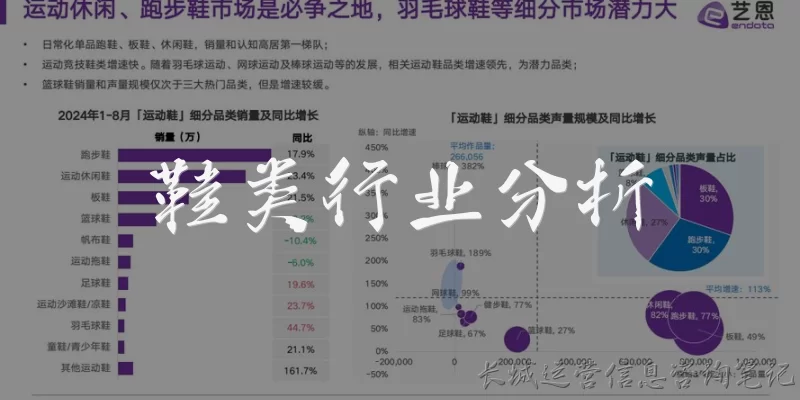
Footwear Industry Analysis:What are the key drivers of growth in the global footwear industry?
Q: What are the key drivers of growth in the global footwear industry?
A: The global footwear industry is primarily driven by rising disposable incomes, urbanization, and evolving fashion trends. As consumers in emerging markets gain purchasing power, demand for both casual and athletic footwear surges. Additionally, the athleisure boom has blurred the lines between performance and everyday wear, boosting sales of sneakers and comfort-focused designs. E-commerce expansion has also played a critical role, enabling brands to reach wider audiences and offer personalized shopping experiences. Sustainability concerns are shaping production methods, with more companies adopting recycled materials and ethical supply chains. Technological innovations like 3D printing and smart fabrics further stimulate growth. Together, these factors create a dynamic market expected to exceed $500 billion by 2027, with Asia-Pacific leading in both production and consumption.
Q: How is sustainability reshaping the footwear industry?
A: Sustainability is fundamentally reshaping the footwear industry by pressuring brands to reduce environmental impact. Consumers, especially younger demographics, increasingly demand eco-friendly products, prompting companies to use recycled plastics, bio-based materials, and waterless dyeing processes. Major players like Nike and Adidas have launched circularity programs, such as take-back schemes and shoes made from ocean plastic. Regulations, particularly in the EU, are also pushing for extended producer responsibility, forcing manufacturers to design for recyclability. This shift affects sourcing, manufacturing, and packaging, often increasing short-term costs but enhancing brand loyalty. Moreover, transparency in supply chains is becoming a competitive advantage. While challenges remain—like balancing durability with biodegradability—sustainability is no longer a niche trend but a core strategic pillar, driving innovation and redefining industry standards globally.
Q: What are the main challenges facing footwear manufacturers today?
A: Footwear manufacturers face a complex set of challenges. Supply chain disruptions, exacerbated by geopolitical tensions and pandemics, have led to raw material shortages and freight cost volatility. Labor costs are rising in traditional production hubs like China and Vietnam, prompting relocation to Africa and Latin America, but this brings new logistical hurdles. Trade tariffs and shifting regulations add uncertainty. On the demand side, fast-changing fashion trends require agile production, yet many factories still rely on long lead times. Additionally, the pressure to adopt sustainable practices conflicts with cost efficiency, especially for small and medium enterprises. Competition from direct-to-consumer brands and online marketplaces is intense. Finally, counterfeit products erode brand value and revenue. To survive, manufacturers must invest in automation, digital design tools, and flexible supply chains while navigating an increasingly fragmented global market.
Q: How is technology transforming footwear design and production?
A: Technology is revolutionizing footwear design and production across multiple fronts. 3D printing enables rapid prototyping and custom-fit midsoles, reducing waste and lead times. Computer-aided design (CAD) and virtual reality allow designers to visualize and iterate without physical samples, accelerating time-to-market. Automation and robotics in factories improve precision and efficiency, particularly in stitching and assembly. Smart footwear integrates sensors for fitness tracking, gait analysis, and even haptic feedback, creating new product categories. AI-driven demand forecasting helps brands optimize inventory and reduce overproduction. Blockchain is being used for supply chain transparency, verifying ethical sourcing. Additionally, digital platforms for on-demand manufacturing allow small batches and personalization. While adoption varies by region and company size, these technologies are lowering barriers to entry and enabling more responsive, customer-centric business models, ultimately reshaping the industry’s competitive landscape.
Dialogue about
Common scenarios of "Footwear Industry Analysis"
【Industry Analyst】 Good morning. Today we're diving into the footwear industry. Let's start with the current market size and growth projections.
【Market Researcher】 The global footwear market was valued at approximately $380 billion in 2023 and is projected to grow at a CAGR of 4.5% from 2024 to 2030. Key drivers include rising disposable incomes, fashion trends, and increasing participation in sports and fitness activities.
【Industry Analyst】 That's promising. Which regions are leading this growth?
【Market Researcher】 Asia-Pacific is the largest and fastest-growing market, driven by China and India. North America and Europe are mature but still significant, with a focus on premium and sustainable footwear.
【Supply Chain Expert】 However, supply chain disruptions and rising raw material costs are putting pressure on margins, especially for mass-market brands.
【Industry Analyst】 How are companies mitigating these supply chain issues?
【Supply Chain Expert】 Many are diversifying production away from China to Vietnam, Indonesia, and India. They're also investing in automation and nearshoring to reduce lead times and tariffs.
【Sustainability Consultant】 And sustainability is becoming a critical factor. Consumers, especially Gen Z, are demanding eco-friendly materials and ethical production. Brands that don't adapt risk losing market share.
【Industry Analyst】 What are some examples of sustainable practices gaining traction?
【Sustainability Consultant】 Use of recycled plastics, bio-based materials like algae foam, and circular economy models such as shoe recycling programs. Companies like Adidas and Nike are leading with their Parley and Space Hippie lines.
【Market Researcher】 Indeed, the sustainable footwear segment is expected to grow at a CAGR of 6.5%, outpacing the overall market.
【Industry Analyst】 Let's talk about consumer trends. What's driving purchasing decisions?
【Consumer Trends Analyst】 Comfort and functionality are paramount, especially post-pandemic. Athleisure continues to dominate. Also, personalization and customization are on the rise, with brands offering 3D-printed shoes and made-to-order options.
【Industry Analyst】 How is e-commerce shaping the industry?
【Consumer Trends Analyst】 E-commerce now accounts for over 30% of footwear sales globally. Direct-to-consumer channels are growing, allowing brands to bypass retailers and gather consumer data. Social commerce and influencer marketing are also big drivers.
【Supply Chain Expert】 But e-commerce also increases return rates, which adds logistical costs and environmental impact. Companies are investing in better sizing technology and virtual try-ons to reduce returns.
【Industry Analyst】 What about the competitive landscape? Who are the key players?
【Market Researcher】 Nike and Adidas are the giants, but newcomers like On Running, Hoka, and Allbirds are gaining share with niche offerings. The market is fragmented, with many regional players.
【Industry Analyst】 Any predictions for the next five years?
【Consumer Trends Analyst】 We'll see more tech integration like smart shoes with fitness tracking, increased use of AI in design and manufacturing, and a continued push towards sustainability. The industry will likely consolidate as smaller brands struggle to scale.
【Industry Analyst】 Thank you all for the insights. It's clear the footwear industry is dynamic, with challenges and opportunities alike.