Analysis of the Paid Online Reading Industry:What are the main business models in the paid online reading industry?
Q: What are the main business models in the paid online reading industry?
A: The paid online reading industry primarily operates through three models: pay-per-chapter, subscription, and freemium. Pay-per-chapter is common in serialized web novels, where readers unlock individual chapters using virtual coins. This model generates high engagement but can be expensive for long works. Subscription services, such as Kindle Unlimited or Webnovel's premium plans, offer unlimited access for a monthly fee, appealing to heavy readers. Freemium combines free content with paid premium features, like early access or ad-free reading; it lowers entry barriers and monetizes a smaller, loyal base. Additionally, tip-based models let readers support authors directly, and advertising-supported free reading is another variant. Each model has distinct revenue potential and user retention profiles. Pay-per-chapter suits episodic content, subscription favors binge-readers, and freemium balances acquisition and monetization. Understanding these models helps platforms tailor pricing, content acquisition, and user experience to maximize both reach and profitability.
Q: How does copyright protection impact the paid online reading industry?
A: Copyright protection is both a cornerstone and a challenge for the paid online reading industry. Strong enforcement allows platforms to secure exclusive rights to popular works, incentivizing authors and publishers to create and distribute content. Without it, piracy would erode revenue, as free unauthorized copies cannibalize paid sales. However, overly rigid copyright can hinder innovation, limit fair use, and create legal battles over user-generated content like fanfiction. Platforms often employ DRM (Digital Rights Management) to prevent unauthorized copying, but this can frustrate legitimate users and reduce convenience. In markets like China, where piracy was rampant, aggressive copyright crackdowns and licensed content helped legitimize paid reading. Conversely, in some regions, weak enforcement leads to widespread sharing, forcing platforms to rely on advertising or lower prices. Thus, copyright law shapes pricing strategies, content availability, and user trust. Balancing protection with accessibility remains a key industry tension, influencing whether readers choose legal paid services or turn to pirated alternatives.
Q: What are the key challenges facing the paid online reading industry today?
A: The paid online reading industry faces several critical challenges. First, piracy remains a major threat, especially in emerging markets where enforcement is weak. Second, competition from free alternatives—such as ad-supported platforms, social media storytelling, and public domain libraries—makes it hard to convert readers to paid models. Third, user retention is difficult; readers often churn after finishing a popular series, and subscription fatigue can lead to cancellations. Fourth, content acquisition costs are rising, particularly for bestsellers and exclusive authors, squeezing margins. Fifth, technological fragmentation across devices and apps creates friction, while DRM can alienate users. Sixth, discoverability is a problem; with millions of titles, helping readers find satisfying content is tough. Finally, shifting reading habits, like short attention spans and preference for audio or video, challenge text-based paid reading. To address these, platforms must innovate pricing, invest in personalization, combat piracy through legal and technical means, and diversify formats. Collaboration with authors and publishers is also essential to sustain a healthy ecosystem.
Words of experience
Common scenarios of "Analysis of the Paid Online Reading Industry"
【Industry Analyst】 Good morning, everyone. Today we're discussing the paid online reading industry. Let's start with an overview. What are the key drivers of growth in this sector?
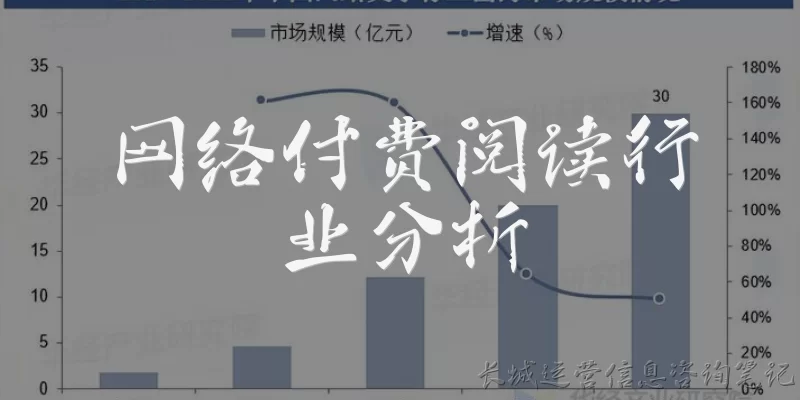
【Market Researcher】 From my research, the main drivers are increasing smartphone penetration, a growing willingness to pay for premium content, and the rise of subscription models. In China alone, the market size exceeded 20 billion RMB last year.
【Content Creator】 As a creator, I've seen a shift in reader behavior. People are more inclined to pay for serialized novels and exclusive columns. Platforms like Qidian and Zhihu are thriving because they offer unique, high-quality content.
【Industry Analyst】 Interesting. But what about the challenges? Piracy and content oversaturation seem to be persistent issues.
【Market Researcher】 Absolutely. Piracy costs the industry billions annually. However, platforms are combating it with DRM and legal actions. Oversaturation is real, but it also drives innovation and niche markets.
【Content Creator】 From my perspective, the revenue sharing models are crucial. Some platforms offer generous splits, like 70% to creators, which incentivizes quality. But others take a larger cut, leading to creator dissatisfaction.
【Industry Analyst】 Let's talk about user demographics. Who are the primary paying readers?
【Market Researcher】 The core demographic is 18-35 years old, with a slight female skew. They are urban, educated, and value convenience and exclusivity. Interestingly, older age groups are also adopting paid reading, especially for news and professional content.
【Content Creator】 Yes, and genres matter. Romance, fantasy, and mystery are top earners in fiction, while business and self-help dominate non-fiction. Interactive fiction is an emerging trend with higher engagement.
【Industry Analyst】 How do platforms differentiate themselves in this crowded market?
【Market Researcher】 Differentiation comes through exclusive content, user experience, and community features. For example, some platforms integrate social reading, allowing annotations and discussions. Others focus on audio versions for multitasking users.
【Content Creator】 Also, AI-driven recommendations are key. They help readers discover content, but there's a risk of filter bubbles. Creators benefit from better matching with their audience.
【Industry Analyst】 What about monetization strategies beyond subscriptions?
【Market Researcher】 Microtransactions, pay-per-chapter, advertising, and merchandise. Some platforms also offer virtual gifts and tipping. The freemium model is popular: free initial chapters, then paid continuation.
【Content Creator】 I've also seen success with crowdfunding and Patreon-like models, where readers directly support authors. This fosters a loyal fanbase and predictable income.
【Industry Analyst】 Looking ahead, what are the future trends?
【Market Researcher】 Expect more consolidation, with major players acquiring smaller ones. Also, international expansion, especially into Southeast Asia and Latin America. And integration with other media like movies and games.
【Content Creator】 I think we'll see more interactive and immersive experiences, using AR/VR. Also, blockchain for copyright protection and transparent royalties could disrupt the industry.
【Industry Analyst】 Any final thoughts on the sustainability of the paid reading model?
【Market Researcher】 It's sustainable if platforms continue to innovate and respect creators. The key is balancing profitability with content quality and user satisfaction.
【Content Creator】 And for creators, diversifying income streams and building a direct relationship with readers will be essential. The industry is evolving, but the demand for quality content remains constant.