
Operating conditions of domestic tea beverage businesses:What are the typical operating conditions of domestic tea beverage businesses in terms of revenue and profit margins?
Q: What are the typical operating conditions of domestic tea beverage businesses in terms of revenue and profit margins?
A: Domestic tea beverage businesses generally experience a wide range of operating conditions, but most independent shops operate on thin margins. Revenue varies greatly by location, with high-traffic urban areas generating higher sales but also higher rent. Average profit margins for bubble tea shops range from 10% to 20% after accounting for ingredients, labor, rent, and utilities. Franchise stores often face additional royalty fees, further squeezing profits. Seasonal fluctuations are common, with summer months yielding higher sales due to cold drinks, while winter may see a decline unless hot beverages are offered. Many small businesses struggle to break even within the first year, and competition from established chains like Heytea and Nayuki intensifies pressure. Overall, successful operations require tight cost control, strategic pricing, and effective marketing to maintain profitability.
Q: What are the main challenges faced by domestic tea beverage businesses in terms of supply chain and ingredient sourcing?
A: Domestic tea beverage businesses encounter significant supply chain challenges, particularly regarding ingredient sourcing and quality consistency. Key ingredients like tea leaves, fruits, and dairy products are subject to seasonal availability and price volatility. For instance, fresh fruit prices can spike during off-seasons, impacting margins. Many businesses rely on multiple suppliers, which complicates quality control and increases logistics costs. Additionally, the demand for premium and organic ingredients has risen, forcing operators to seek reliable sources that may be more expensive. Cold chain logistics for perishable items like milk and fruit purees require investment in refrigeration, adding to operational complexity. Some larger chains mitigate these issues by establishing central kitchens and long-term contracts with farmers, but smaller shops often lack bargaining power and face higher risks of shortages or inconsistent quality, ultimately affecting customer satisfaction and brand reputation.
Q: How do location and customer traffic affect the operating conditions of domestic tea beverage shops?
A: Location is a critical factor determining the operating conditions of domestic tea beverage shops. High-traffic areas such as shopping malls, university campuses, and commercial streets can generate significantly higher daily sales, but rent costs are also much higher, sometimes accounting for 20-30% of total expenses. In contrast, residential areas offer lower rent but may have limited foot traffic, especially during weekdays. Shops near schools or offices often see peak hours during lunch breaks and after school, requiring efficient staffing to handle rushes. Suburban or less accessible locations may struggle to attract customers, leading to lower revenue and potential closure. Additionally, visibility and proximity to competitors matter; being near a popular chain can draw crowds but also intensify competition. Successful operators often conduct thorough market research and may adopt a multi-location strategy to balance risk and revenue across different areas.
Q: What strategies do domestic tea beverage businesses use to maintain stable operating conditions amid market competition?
A: To maintain stable operating conditions amid fierce competition, domestic tea beverage businesses adopt several strategies. First, product differentiation is key: offering unique flavors, seasonal specials, and healthy options like low-sugar or plant-based drinks attracts niche customers. Second, many invest in digital marketing and loyalty programs through social media platforms like WeChat and Douyin to build brand awareness and repeat business. Third, operational efficiency is improved by optimizing staff scheduling, automating order processing, and using data analytics to predict demand and reduce waste. Fourth, some shops diversify revenue streams by selling snacks, tea leaves, or merchandise. Fifth, location flexibility—such as pop-up stores or delivery-only kitchens—helps reduce fixed costs. Finally, strategic partnerships with delivery apps like Meituan and Ele.me expand reach without heavy investment in physical expansion. These combined efforts help businesses navigate market fluctuations and sustain profitability.
Words of experience
Common scenarios of "Operating conditions of domestic tea beverage businesses"
【Market Analyst】 Good morning, everyone. Let's discuss the current operating conditions of domestic tea beverage businesses. I've noticed that despite economic uncertainties, the tea beverage sector has shown resilience. What are your observations?
【Business Owner】 From my perspective as a small chain owner, the past year has been challenging. We've seen a 15% decline in foot traffic in our physical stores, but our online orders have surged by 30%. The shift to delivery platforms has been crucial for survival.
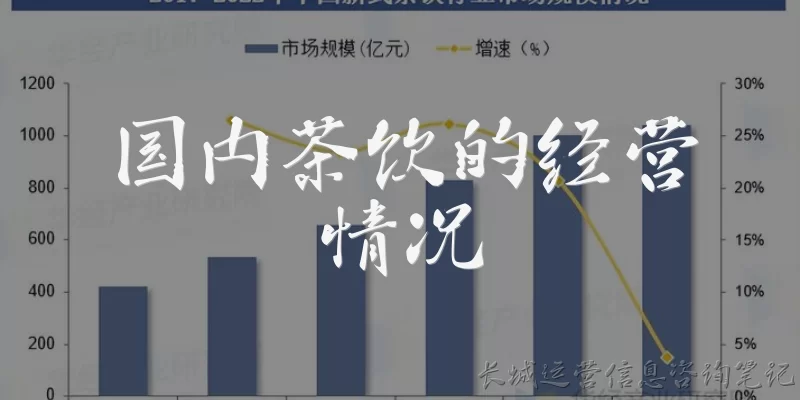
【Industry Consultant】 That aligns with national data. The overall market grew by 5% last year, but the growth is uneven. Premium brands are thriving, while mid-tier players are squeezed. Many are adopting hybrid models with both physical and digital presence.
【Supply Chain Manager】 Supply chain disruptions have also impacted us. The cost of key ingredients like tea leaves and tapioca pearls increased by 20% due to logistics issues and climate change. We've had to renegotiate contracts and find local suppliers to mitigate risks.
【Marketing Specialist】 Consumer preferences are shifting towards healthier options. We've seen a 40% increase in demand for low-sugar and natural ingredient beverages. Brands that don't adapt quickly are losing market share. Social media marketing is also vital for reaching younger demographics.
【Financial Analyst】 Profit margins are under pressure. Operating costs, including labor and rent, have risen by 10-15% in major cities. Many businesses are struggling to maintain profitability. However, those with strong brand loyalty and efficient operations are still doing well.
【Business Owner】 Exactly. We've had to increase prices by about 10% to cope, but customers are sensitive. We're focusing on loyalty programs and subscription models to retain customers. It's a delicate balance.
【Industry Consultant】 Innovation is key. We're seeing successful brands experimenting with new flavors, limited editions, and collaborations. Also, sustainability practices like eco-friendly packaging are becoming a differentiator. Consumers are willing to pay a premium for green products.
【Supply Chain Manager】 To add, we're investing in technology to optimize inventory and reduce waste. AI-driven demand forecasting has helped us cut spoilage by 15%. But the initial investment is high, which is a barrier for smaller players.
【Marketing Specialist】 Digital transformation is no longer optional. Our data shows that brands with strong online presence and social media engagement have 25% higher customer retention. Influencer partnerships and user-generated content are driving sales.
【Financial Analyst】 Access to capital is another issue. Banks are more cautious about lending to food and beverage startups. Venture capital is flowing into tech-enabled tea brands, but traditional shops are finding it hard to secure funding for expansion.
【Business Owner】 We've explored crowdfunding and small business loans, but the interest rates are high. It's tough to compete with big chains that have deeper pockets. We're focusing on niche markets and personalized service to stand out.
【Industry Consultant】 Regulatory factors also play a role. New labeling requirements and sugar taxes in some regions are adding compliance costs. But they also push innovation towards healthier products, which can be a long-term benefit.
【Supply Chain Manager】 We're also seeing a trend towards vertical integration. Some large brands are acquiring tea plantations to control quality and costs. This could squeeze smaller suppliers further.
【Marketing Specialist】 On the positive side, the tea beverage culture is evolving. There's a growing appreciation for artisanal and craft teas. Pop-up shops and experiential marketing are creating buzz and attracting customers.
【Financial Analyst】 Overall, the sector is expected to grow at a CAGR of 6% over the next five years, but consolidation is likely. Smaller players may need to merge or exit. Efficiency and differentiation will be critical.
【Business Owner】 I agree. We're exploring partnerships with local bakeries and cafes to cross-promote and share costs. Community engagement has helped us build a loyal customer base.
【Industry Consultant】 Government support for SMEs could help. Some regions offer grants for digital adoption and sustainability initiatives. Businesses should leverage these opportunities.
【Supply Chain Manager】 We're also seeing more resilient supply chains through diversification. Sourcing from multiple regions and using frozen ingredients when fresh is unavailable. It's about building flexibility.
【Marketing Specialist】 In conclusion, despite challenges, the domestic tea beverage market is dynamic. Success will depend on adaptability, innovation, and understanding consumer trends. Collaboration and technology adoption will be key drivers.