Chengdu Catering Industry Economy:What role does the catering industry play in Chengdu's economy?
Q: What role does the catering industry play in Chengdu's economy?
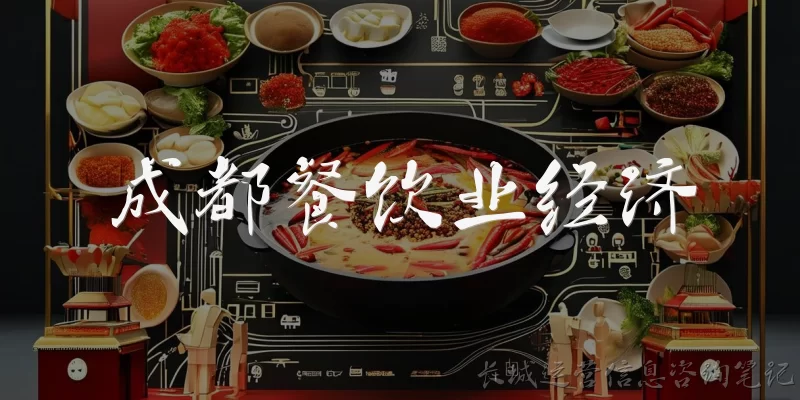
A: The catering industry is a vital pillar of Chengdu's economy, contributing significantly to GDP, employment, and tourism. As a UNESCO City of Gastronomy, Chengdu's food culture attracts millions of domestic and international visitors annually, driving spending in restaurants, street food stalls, and night markets. The sector employs a large portion of the urban workforce, from chefs and servers to suppliers and delivery riders. In 2023, catering revenue in Chengdu exceeded 100 billion RMB, reflecting its resilience and growth. Moreover, the industry supports related sectors such as agriculture, logistics, and real estate. Government policies often promote food festivals and culinary tourism, further integrating catering into the city's economic strategy. Thus, catering is not just a cultural asset but a core economic engine for Chengdu.
Q: How has the COVID-19 pandemic affected Chengdu's catering economy?
A: The COVID-19 pandemic severely disrupted Chengdu's catering economy, especially during lockdowns and periods of restricted dining. Many restaurants faced closures, reduced capacity, and plummeting revenues. However, the crisis accelerated digital transformation: online food delivery platforms like Meituan and Ele.me saw a surge in orders, and many eateries pivoted to takeout and pre-packaged meals. Street food vendors and night markets also adapted by offering contactless pickup. Government relief measures, including tax breaks and rent subsidies, helped cushion the blow. Post-pandemic, the sector rebounded strongly, with pent-up demand driving sales in 2023. Yet challenges remain, such as labor shortages and rising costs. Overall, the pandemic highlighted the need for flexibility and digital integration in Chengdu's catering industry.
Q: What are the main challenges facing Chengdu's catering industry today?
A: Chengdu's catering industry faces several challenges despite its vibrant reputation. First, intense competition saturates the market, with thousands of restaurants and street stalls vying for customers. Second, rising operational costs—rent, labor, and raw materials—squeeze profit margins, especially for small businesses. Third, changing consumer preferences toward healthier, sustainable, and diverse cuisines require constant innovation. Fourth, regulatory pressures around food safety and environmental standards increase compliance burdens. Fifth, the post-pandemic recovery has been uneven, with some segments like fine dining lagging behind casual and delivery-focused models. Additionally, talent retention is difficult due to long hours and relatively low wages. To stay competitive, businesses must embrace technology, differentiate their offerings, and adapt to evolving market trends. Government support and industry collaboration are also crucial.
Q: How does Chengdu's catering industry contribute to cultural tourism and city branding?
A: Chengdu's catering industry is central to its cultural tourism and city branding, earning it the title 'City of Gastronomy' from UNESCO. Iconic dishes like hotpot, mapo tofu, and dan dan noodles draw food enthusiasts from around the world, driving tourism revenue. The city hosts numerous food festivals, such as the Chengdu International Food Festival, which showcase local flavors and attract media attention. Street food culture, particularly in areas like Jinli and Kuanzhai Alley, offers immersive experiences that blend history with culinary delight. This gastronomic appeal enhances Chengdu's image as a lively, hospitable destination, boosting hotel occupancy, retail sales, and overall visitor spending. Moreover, the industry fosters cultural exchange and preserves traditional cooking techniques. Thus, catering is not only an economic driver but also a key ambassador for Chengdu's identity and soft power.
Words of experience
Common scenarios of "Chengdu Catering Industry Economy"
【Economist】 成都的餐饮业近年来增长迅速,您认为主要驱动因素是什么?
【Restaurant Owner】 我觉得首先是旅游业的带动,成都作为热门旅游城市,游客对美食的需求很大。另外本地人消费习惯也很重要,大家喜欢外出就餐。
【Economist】 确实,成都的餐饮文化深厚,但竞争也很激烈,您如何保持竞争力?
【Restaurant Owner】 我们注重食材新鲜和口味创新,同时利用社交媒体营销,吸引年轻顾客。还推出了外卖服务,拓展收入来源。
【Economist】 外卖平台对餐饮经济的影响很大,您觉得利弊如何?
【Restaurant Owner】 利是增加了订单量,尤其是疫情期间。弊是平台抽成高,利润被压缩,而且顾客忠诚度降低,容易比价。
【Economist】 政府有没有出台一些支持政策?
【Restaurant Owner】 有的,比如减税降费、消费券发放,还有鼓励夜间经济,这些都有帮助。但执行细节有时不到位。
【Economist】 成都的餐饮业态很多样,从苍蝇馆子到高端餐厅,您怎么看这种结构?
【Restaurant Owner】 这种多样性满足了不同消费层次,但高端餐厅受经济波动影响大,大众餐饮更稳定。我们定位中端,比较抗风险。
【Economist】 人力成本上升对餐饮业影响大吗?
【Restaurant Owner】 很大,厨师和服务员薪资年年涨,而且招人难,尤其是年轻人不愿干这行。我们不得不提高自动化程度。
【Economist】 未来成都餐饮业的发展趋势,您有什么预测?
【Restaurant Owner】 我觉得数字化和品牌化是方向,连锁经营会更多,单体店要么特色鲜明,要么被淘汰。健康饮食也会更受欢迎。
【Economist】 您对想进入成都餐饮市场的创业者有什么建议?
【Restaurant Owner】 先做好市场调研,找准定位,不要盲目跟风。控制成本,重视口碑,慢慢积累客户。成都人嘴刁,味道好才是根本。
【Economist】 感谢您的分享,最后请用一句话总结成都餐饮经济的特点。
【Restaurant Owner】 活力足、竞争强、创新快,但利润薄、压力大,机遇与挑战并存。
【Economist】 非常精辟,谢谢!
【Restaurant Owner】 不客气,欢迎常来品尝成都美食。