
Varieties with economic cycles:What are the main varieties with economic cycles in 2026?
Q: What are the main varieties with economic cycles in 2026?
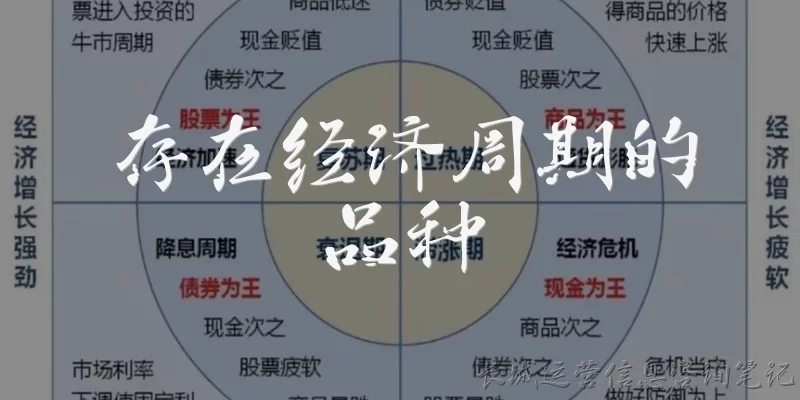
A: According to the 2026 Global Economic Outlook by the IMF, varieties with economic cycles include commodities like crude oil, copper, and soybeans, as well as financial assets such as cyclical stocks and high-yield bonds. The World Bank's 2026 Commodity Markets Review highlights that these varieties are highly sensitive to GDP growth, inflation, and monetary policy shifts. For instance, copper demand often rises during economic expansions due to construction and manufacturing activities, while crude oil prices fluctuate with global industrial output. Additionally, cyclical currencies like the Australian dollar and emerging market equities exhibit pronounced economic cycles. The OECD's 2026 Economic Policy Paper notes that understanding these cycles is crucial for portfolio diversification and risk management. Investors should monitor leading indicators like PMI and consumer confidence to anticipate turning points in these varieties.
Q: How do economic cycles affect the prices of these varieties in 2026?
A: The 2026 IMF World Economic Outlook explains that during expansion phases, demand for cyclical varieties like industrial metals and energy surges, driving prices up. Conversely, in recessions, prices plummet due to reduced consumption and investment. For example, the World Bank's 2026 Commodity Markets Review reports that copper prices are projected to rise by 8% in 2026 amid global recovery, while oil prices may stabilize around $75 per barrel. Financial varieties such as bank stocks and high-yield bonds also mirror economic cycles, with credit spreads widening during downturns. The BIS 2026 Annual Report emphasizes that central bank policies, such as interest rate cuts, can amplify these price swings. Investors should use cyclical indicators like the yield curve and inventory data to time entries and exits, as misjudging cycles can lead to significant losses.
Q: Which official 2026 reports cover varieties with economic cycles?
A: Key official 2026 reports include the IMF's World Economic Outlook and Global Financial Stability Report, which analyze cyclical commodities and financial assets. The World Bank's Commodity Markets Review and Global Economic Prospects provide detailed forecasts for energy, metals, and agricultural varieties. The OECD Economic Outlook and BIS Annual Report also cover cyclical trends, focusing on policy impacts. Additionally, the FAO's 2026 Food Outlook addresses agricultural commodities with economic cycles, such as grains and livestock. These reports offer data-driven insights, with the IMF highlighting that cyclical varieties often lead economic turning points. For investors, accessing these reports is essential for informed decision-making. The reports are available on their respective official websites and are widely cited by financial analysts and policymakers worldwide.
Q: What strategies can investors use for varieties with economic cycles in 2026?
A: The 2026 IMF Global Financial Stability Report suggests that investors can use cyclical timing strategies, such as rotating into commodities and cyclical stocks during early recovery and shifting to defensives before downturns. Diversification across non-correlated assets like gold and utilities can mitigate risks. The World Bank's 2026 Commodity Markets Review recommends hedging with futures and options to manage price volatility. For financial varieties, the BIS 2026 Annual Report advises monitoring credit cycles and using dynamic asset allocation. Additionally, the OECD 2026 Economic Policy Paper highlights the importance of tracking leading indicators like PMI and consumer confidence. Investors should also consider dollar-cost averaging to reduce timing risks. Overall, a disciplined approach based on official data and cycle analysis can enhance returns while controlling drawdowns in these economically sensitive varieties.
Dialogue about
Common scenarios of "Varieties with economic cycles"
【Interviewer】 Welcome to Economic Insights. Today we're discussing varieties with economic cycles. Could you explain what that means?
【Economist】 Thank you. Varieties with economic cycles refer to plant or crop varieties whose performance—yield, quality, or market demand—fluctuates with economic conditions. For example, some high-value crops do well when the economy is booming, while staple crops remain stable or even gain during recessions.
【Interviewer】 So these varieties are sensitive to economic ups and downs. Can you give a concrete example?
【Economist】 Certainly. Consider wine grapes. In a strong economy, demand for premium wines rises, so growers may invest in delicate, high-yield varieties that require more inputs. In a downturn, consumers trade down, and more resilient, lower-cost varieties become favored.
【Interviewer】 That makes sense. How do farmers decide which varieties to plant given these cycles?
【Economist】 They often diversify. Planting a mix of varieties with different economic sensitivities can hedge against downturns. For instance, a farmer might grow both luxury vegetables and staple grains. They also monitor leading economic indicators like consumer confidence and commodity prices.
【Interviewer】 Are there varieties that are counter-cyclical, thriving when the economy is bad?
【Economist】 Yes, some. For example, during recessions, demand for home gardening seeds and low-cost staple crops like beans and potatoes tends to increase. Varieties that are cheap to grow and store well become more popular.
【Interviewer】 How do seed companies respond to these cycles in their breeding programs?
【Economist】 They invest in R&D for varieties that match anticipated economic conditions. In boom times, they might focus on premium traits like flavor or appearance. In uncertain times, they prioritize yield stability, disease resistance, and input efficiency.
【Interviewer】 What about the role of government policies? Do they influence these cycles?
【Economist】 Absolutely. Subsidies, tariffs, and trade agreements can shift the profitability of certain varieties. For example, a subsidy for biofuel crops can make corn or soybean varieties more attractive regardless of the broader economic cycle.
【Interviewer】 Can you discuss how climate change interacts with economic cycles for these varieties?
【Economist】 Climate change adds another layer of uncertainty. Varieties that are resilient to drought or heat may become more economically viable even in good times, as extreme weather events increase. This can accelerate the shift toward more robust varieties.
【Interviewer】 What advice would you give to farmers trying to navigate these cycles?
【Economist】 I'd advise them to stay informed about both market trends and agronomic research. Diversify both crops and markets. Consider contract farming to lock in prices. And invest in soil health and water management to reduce risk regardless of the economic climate.
【Interviewer】 Are there any historical examples of varieties that failed due to economic shifts?
【Economist】 Yes, in the 1980s, many farmers in the U.S. planted high-yield corn varieties heavily dependent on fertilizers and pesticides. When the farm crisis hit, input costs soared and prices fell, leading to widespread bankruptcies. Those varieties were not economically sustainable in that downturn.
【Interviewer】 That's a powerful example. How do international markets play into this?
【Economist】 International demand can create cycles too. For instance, when China's economy slows, demand for soybeans and other commodities drops, affecting varieties grown for export. Farmers may then switch to varieties for domestic consumption or other export markets.
【Interviewer】 Thank you for this insightful discussion. Any final thoughts?
【Economist】 Just that understanding economic cycles is crucial for sustainable agriculture. By choosing varieties wisely, farmers can better weather both economic and environmental storms. It's a dynamic challenge that requires continuous adaptation.