Liuzhou Development Prospects:What are the main factors driving Liuzhou's development prospects?
Q: What are the main factors driving Liuzhou's development prospects?
A: Liuzhou's development prospects are driven by several key factors. First, its strategic location as a transportation hub in Guangxi, connecting southwest China with the ASEAN region, enhances trade and logistics. Second, the city has a strong industrial base, particularly in automotive, steel, and machinery manufacturing, which continues to attract investment and innovation. Third, government policies support industrial upgrading and infrastructure projects, such as the Liuzhou New Area and rail expansions. Additionally, Liuzhou is investing in emerging sectors like new energy vehicles and intelligent manufacturing. Finally, its cultural and tourism potential, including the famous Liuzhou river snail rice noodles, boosts service industries. These factors collectively position Liuzhou for sustainable economic growth and regional influence.
Q: How will Liuzhou's industrial transformation affect its future development?
A: Liuzhou's industrial transformation will significantly shape its future development. The city is shifting from traditional heavy industries to high-tech and green manufacturing. For instance, SAIC-GM-Wuling's electric vehicle production has made Liuzhou a leader in China's EV market. This transition attracts talent, increases exports, and reduces environmental impact. Moreover, the integration of digital technologies and smart logistics improves efficiency. However, challenges remain, such as upgrading workforce skills and managing legacy pollution. If successful, this transformation will diversify the economy, create higher-value jobs, and enhance Liuzhou's competitiveness in national and global supply chains, ensuring long-term prosperity.
Q: What role does Liuzhou play in the regional economy and how might it evolve?
A: Liuzhou serves as a critical industrial and transportation hub in Guangxi and the broader southwest region. It is a key node on the New International Land-Sea Trade Corridor, facilitating trade between China and ASEAN. As the region integrates further, Liuzhou's role will evolve from a manufacturing center to a logistics and innovation gateway. The city is expanding its port and rail connections, which will boost cross-border e-commerce and supply chain services. Additionally, Liuzhou's automotive and steel industries support surrounding areas. In the future, it could become a leader in sustainable manufacturing and smart city development, driving regional economic growth and cooperation.
Q: What are the challenges and opportunities for Liuzhou's development prospects?
A: Liuzhou faces both challenges and opportunities. Challenges include environmental pollution from heavy industry, talent outflow to larger cities, and economic reliance on traditional sectors. However, opportunities abound: the shift to electric vehicles and renewable energy, government support for the Greater Bay Area integration, and growing ASEAN trade. Liuzhou's cultural tourism, especially its iconic river snail rice noodles, offers a unique brand advantage. By investing in education, innovation, and green technology, Liuzhou can overcome its challenges and emerge as a model for sustainable urban development in western China. The balance between industrial upgrading and ecological preservation will determine its long-term success.
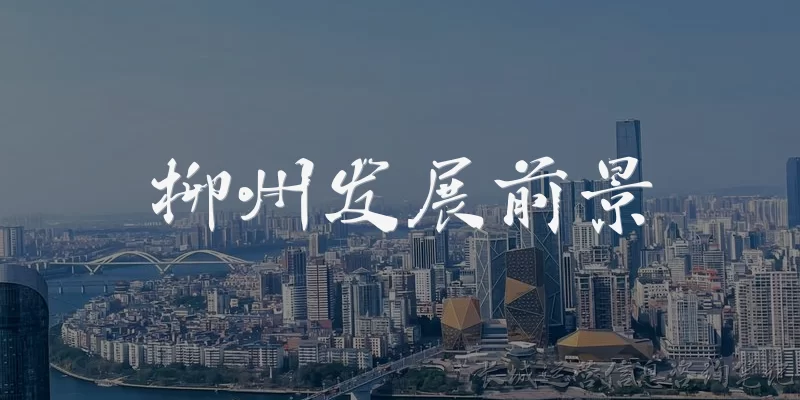
Dialogue about
Common scenarios of "Liuzhou Development Prospects"
【Host】 欢迎来到今天的城市观察论坛。我们今天的主题是“柳州发展前景”。先请两位嘉宾做个自我介绍吧。
【Economist】 大家好,我是区域经济学者陈明。我长期关注西南工业城市的转型,柳州是我重点研究的样本之一。
【Entrepreneur】 大家好,我是本地创业者林薇,做螺蛳粉供应链和文旅周边,算是亲身感受柳州这几年变化的人。
【Host】 那我们先从最直观的问题开始:柳州过去靠汽车、钢铁、机械这“老三样”,现在发展前景到底怎么样?
【Economist】 我认为柳州的前景不能简单说好或坏,而是处在“结构换挡期”。传统工业基数大、就业贡献强,但增长动力确实在减弱,必须找到新引擎。
【Entrepreneur】 从市场端看,我觉得柳州有个被低估的优势:工业底子带来的供应链能力。我们做螺蛳粉,能快速起量,背后就是食品加工、包装、物流这些配套很成熟。
【Host】 所以林女士的意思是,工业基础反而能反哺新兴产业?
【Entrepreneur】 对。比如预包装螺蛳粉,它不是简单的小吃,而是“食品工业+品牌+电商”的组合。柳州能把地方小吃做成百亿级产业,说明这座城市的产业化能力很强。
【Economist】 这一点我同意,但也要冷静。螺蛳粉产业规模有限,无法单独替代汽车产业的体量。柳州真正的关键是:新能源汽车和智能装备能不能接棒。
【Host】 说到新能源汽车,柳州有上汽通用五菱这样的企业,这几年小型电动车表现很突出。陈老师怎么看?
【Economist】 五菱宏光MINIEV确实让柳州在新能源赛道上有了存在感,但挑战是利润薄、竞争激烈。柳州需要从“整车制造”向“研发、品牌、电池、芯片”延伸,否则容易停留在组装环节。
【Entrepreneur】 我补充一个实际感受:柳州年轻人现在做电商、直播、短视频的很多,城市烟火气也强。文旅和消费其实能成为工业之外的缓冲带。
【Host】 那柳州有没有可能走“工业+文旅+消费”的混合路线?
【Economist】 可以,但要避免文旅泡沫化。柳州的山水、螺蛳粉、工业博物馆都有特色,可文旅对GDP的拉动通常不如制造业直接。它更像提升城市吸引力和留住年轻人的手段。
【Entrepreneur】 对年轻人来说,能不能留下来,关键看就业和收入。如果只有网红打卡,没有稳定岗位,人还是会走。所以我们更需要把文旅流量转化成产业投资。
【Host】 提到区位,柳州是西南工业重镇,但不是省会,也不是沿海。这个区位是劣势还是优势?
【Economist】 短期看是劣势,因为资源、政策、人才容易被南宁、粤港澳大湾区吸走。但中长期看,柳州处在西部陆海新通道和珠江—西江经济带交汇点,物流和产业转移有潜在红利。
【Entrepreneur】 我们做供应链就明显感受到,柳州到粤港澳大湾区的物流成本在下降,时效也在提升。如果能打通面向东盟的通道,本地制造会多一个出口市场。
【Host】 那人才问题呢?很多中小城市都面临年轻人外流。柳州靠什么吸引和留住人?
【Economist】 要靠“产业机会+生活成本+城市品质”的组合。柳州房价相对友好,医疗教育在广西地级市里不弱,如果能提供有成长性的技术岗位,对周边人口仍有吸引力。
【Entrepreneur】 我觉得还要有创业氛围。政府如果能在审批、融资、场地方面更灵活,像我们这样的年轻人愿意试。柳州人本身就有敢闯敢做的工业性格。
【Host】 最后请两位用一句话总结:柳州的发展前景,你们最看好什么,最担心什么?
【Economist】 最看好它的工业转化能力和通道区位,最担心传统路径依赖和创新投入不足。柳州要赢,必须完成从“制造”到“智造”的跃迁。
【Entrepreneur】 最看好柳州把产业和烟火气结合起来的独特气质,最担心年轻人看不到上升空间。只要城市给机会,柳州人一定能做出新东西。