Development trends in the power generation industry:What are the main development trends in the power generation industry today?
Q: What are the main development trends in the power generation industry today?
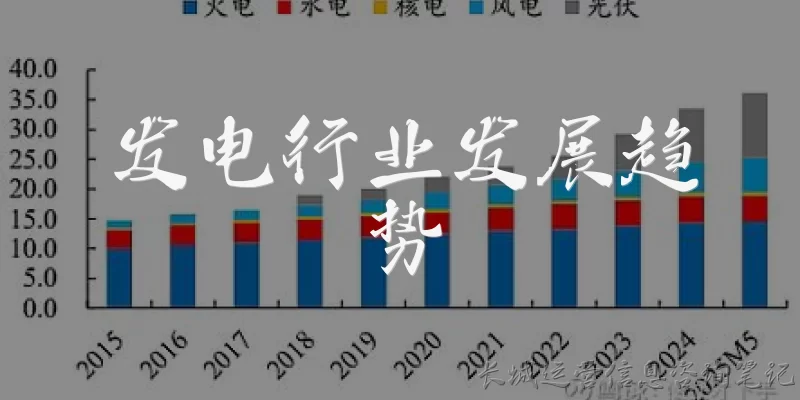
A: The power generation industry is undergoing a fundamental transformation driven by decarbonization, decentralization, and digitalization. The most prominent trend is the rapid expansion of renewable energy sources, particularly solar and wind, which are increasingly cost-competitive with fossil fuels. Governments and corporations are setting ambitious net-zero targets, accelerating the retirement of coal plants and shifting investment toward clean energy. Another key trend is the integration of energy storage systems, such as lithium-ion batteries and pumped hydro, to address the intermittency of renewables. Digitalization is also reshaping the sector through smart grids, AI-based demand forecasting, and predictive maintenance, improving efficiency and reliability. Finally, decentralized generation models like rooftop solar, microgrids, and distributed energy resources are empowering consumers to become prosumers, fundamentally changing the traditional centralized utility model.
Q: How is digitalization changing power generation and grid management?
A: Digitalization is transforming power generation by enabling smarter, more efficient, and more resilient operations. Advanced sensors and IoT devices collect real-time data from generation assets, allowing operators to monitor performance and detect anomalies before failures occur. AI and machine learning algorithms optimize plant output, forecast renewable generation, and balance supply and demand across the grid. Digital twins, virtual replicas of physical assets, help engineers simulate scenarios and improve maintenance planning. Smart grids enable two-way communication between utilities and consumers, facilitating demand response programs and better integration of distributed energy resources. Cybersecurity has become a critical concern as grids become more connected. Overall, digitalization reduces operational costs, extends equipment lifespan, and supports the flexible management required for a high-renewable, decentralized energy system.
Q: What role will energy storage play in the future of power generation?
A: Energy storage is becoming a cornerstone of the future power generation landscape because it solves the intermittency problem of renewable sources. As solar and wind penetration increases, storage systems capture excess generation during peak production and discharge it during periods of high demand or low output. Lithium-ion batteries dominate short-duration applications, while emerging technologies like flow batteries, compressed air, and green hydrogen target longer-duration storage. Grid-scale storage enhances grid stability, provides frequency regulation, and reduces the need for peaking fossil fuel plants. Behind-the-meter storage, combined with rooftop solar, allows households and businesses to manage their own consumption and participate in demand response. Policy incentives and falling battery costs are accelerating deployment. Storage will be essential for achieving high renewable penetration and ensuring reliable, affordable electricity supply.
Q: How are decentralized generation and microgrids reshaping the power sector?
A: Decentralized generation and microgrids are fundamentally reshaping the traditional centralized power model by moving production closer to consumption. Distributed energy resources such as rooftop solar, small wind turbines, combined heat and power units, and backup generators allow communities, businesses, and households to generate their own electricity. Microgrids can operate independently from the main grid during outages, enhancing resilience against natural disasters and cyber threats. This shift empowers consumers to become prosumers who both produce and consume energy, potentially selling surplus back to the grid. Utilities are adapting by developing new business models, including energy-as-a-service and virtual power plants that aggregate distributed resources. While challenges remain in grid integration, regulatory frameworks, and interconnection standards, decentralized systems promise greater flexibility, lower transmission losses, and more resilient energy infrastructure.
Words of experience
Common scenarios of "Development trends in the power generation industry"
【Energy Analyst】 Good morning. Today I'd like to discuss the development trends in the power generation industry. Where do you see the biggest shifts happening?
【Utility Engineer】 Good morning. The most obvious shift is the rapid growth of renewable generation, especially solar and wind. Costs have fallen dramatically over the past decade.
【Energy Analyst】 Agreed. But intermittency remains a challenge. How are utilities handling the variability of renewables?
【Utility Engineer】 Storage is becoming central. Battery systems, pumped hydro, and increasingly green hydrogen are being deployed to balance supply and demand.
【Energy Analyst】 What about grid infrastructure? Aging grids in many regions seem ill-prepared for distributed generation.
【Utility Engineer】 That's a major concern. We're seeing heavy investment in smart grids, digital substations, and advanced sensors to enable two-way power flow.
【Energy Analyst】 Do you think nuclear power will make a comeback, especially with small modular reactors?
【Utility Engineer】 SMRs are promising for baseload and remote areas, but regulatory approval and cost certainty are still hurdles. Some countries are clearly more enthusiastic than others.
【Energy Analyst】 Let's talk about decarbonization targets. Many countries aim for net-zero by 2050. Is the power sector on track?
【Utility Engineer】 Progress varies widely. Renewables are scaling fast, but coal phase-out is slower than needed in several major economies.
【Energy Analyst】 What role do you see for natural gas in the transition?
【Utility Engineer】 Gas is functioning as a bridge fuel, providing flexibility. But long-term, it needs to be paired with carbon capture or replaced by cleaner alternatives.
【Energy Analyst】 Carbon capture has had a mixed track record. Do you think it will play a meaningful role in power generation?
【Utility Engineer】 It's essential for hard-to-abate sectors, but for power, the economics are still challenging. Policy support will determine its scale.
【Energy Analyst】 How about digitalization? AI and predictive maintenance seem to be transforming plant operations.
【Utility Engineer】 Absolutely. Digital twins, AI-driven forecasting, and automated operations are improving efficiency and reducing downtime significantly.
【Energy Analyst】 And what about distributed energy resources—rooftop solar, microgrids, virtual power plants?
【Utility Engineer】 They're reshaping the traditional utility model. Virtual power plants aggregating residential batteries and flexible loads are already providing grid services in some markets.
【Energy Analyst】 Finally, what's your outlook on investment and workforce challenges in the sector?
【Utility Engineer】 Investment is surging, but supply chains and skilled labor are bottlenecks. Retraining workers and securing critical minerals will be key priorities over the next decade.