
2020 Steel Pipe Production:How did global steel pipe production in 2020 compare to previous years?
Q: How did global steel pipe production in 2020 compare to previous years?
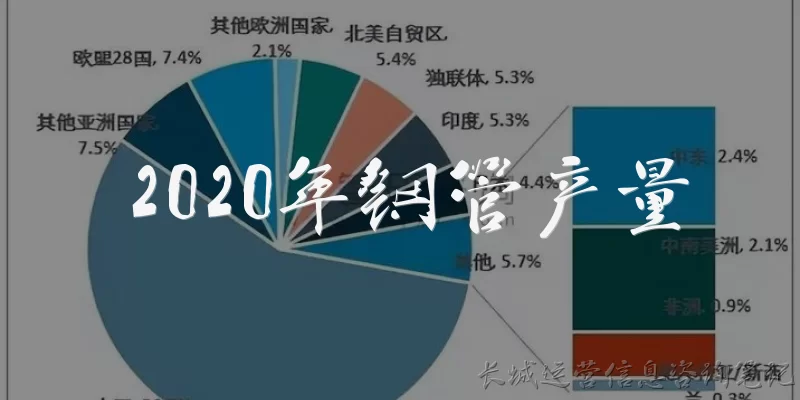
A: Global steel pipe production in 2020 experienced a notable decline compared to 2019, primarily due to the COVID-19 pandemic. According to data from the World Steel Association, global crude steel production fell by about 0.9% in 2020, and the pipe segment followed a similar trend. The first half of 2020 saw widespread shutdowns and reduced demand from key end-use sectors such as oil and gas, construction, and automotive. However, the second half of 2020 showed a strong recovery, particularly in China, which increased its steel pipe output to support infrastructure stimulus programs. By the end of 2020, global steel pipe production had contracted by an estimated 3-5% year-on-year, with significant regional variations. Asia, led by China, accounted for a larger share of global output, while Europe and the Americas faced steeper declines. This uneven recovery set the stage for a more robust rebound in 2021 and beyond.
Q: What were the main factors influencing steel pipe production in 2020?
A: Several key factors shaped steel pipe production in 2020. First and foremost, the COVID-19 pandemic disrupted global supply chains, causing temporary mill closures and labor shortages. Lockdown measures reduced construction and industrial activity, dampening demand for both seamless and welded pipes. Second, oil and gas prices plummeted in early 2020, leading to cutbacks in exploration and production, which directly impacted the demand for OCTG (oil country tubular goods) and line pipes. Third, government stimulus measures, especially in China, boosted infrastructure spending and supported steel pipe consumption in the latter half of the year. Fourth, trade policies such as tariffs and anti-dumping duties continued to affect global trade flows, prompting regional shifts in production. Finally, raw material prices, including iron ore and scrap, were volatile, influencing production costs and margins. These factors combined created a challenging yet dynamic environment for steel pipe manufacturers in 2020.
Q: Which regions led steel pipe production in 2020 and how did they perform?
A: In 2020, Asia dominated global steel pipe production, with China alone accounting for more than half of the world's output. China's production remained resilient, driven by government infrastructure investments and a quick economic recovery from the pandemic. Japan and South Korea saw moderate declines due to weaker export demand, but still maintained significant output. In Europe, production fell sharply in the first half as lockdowns hit construction and manufacturing, though a gradual recovery occurred in the second half. The European Union's steel pipe output dropped by around 10-15% year-on-year. In North America, the United States and Canada experienced reduced production, particularly in the energy sector, as low oil prices curtailed drilling activities. Meanwhile, India's production dipped initially but rebounded strongly by the fourth quarter. Overall, regional performance varied widely, with Asia showing the most resilience and Western economies facing deeper contractions, highlighting the shifting center of gravity in global steel pipe manufacturing.
Dialogue about
Common scenarios of "2020 Steel Pipe Production"
【Sales Manager】 Good morning, team. Let's review our 2020 steel pipe production targets. We need to finalize the numbers for the annual plan.
【Production Planner】 Based on current market demand and our capacity, I propose a target of 1.2 million tons for the year. That's a 5% increase from 2019.
【Operations Director】 That seems ambitious. We had significant downtime last year due to maintenance. Can we realistically achieve that without major upgrades?
【Production Planner】 We've scheduled maintenance more efficiently this year. Also, the new rolling mill will be operational by Q2, adding 10% capacity.
【Sales Manager】 Market forecasts indicate a strong demand from construction and oil & gas sectors. I think 1.2 million tons is achievable if we secure enough raw materials.
【Supply Chain Manager】 We need to lock in steel billet contracts early. Prices are expected to rise. I recommend securing at least 80% of our needs by January.
【Finance Manager】 That requires significant upfront capital. We need to balance inventory costs with production needs. Let's analyze the cash flow impact.
【Operations Director】 Also, we must consider the environmental regulations. The new emission standards take effect in July. We need to invest in scrubbers for the older lines.
【Production Planner】 I've included that in the plan. The upgrade will cause a two-week shutdown in June, but it's necessary for compliance.
【Sales Manager】 Two weeks downtime in peak season? That could impact deliveries. Can we shift the maintenance to a slower period?
【Operations Director】 Unfortunately, the deadline is fixed. We'll have to build buffer stock before June to meet customer commitments.
【Supply Chain Manager】 I'll work with logistics to increase storage capacity. We might need to rent additional warehouse space.
【Finance Manager】 Renting extra space will add to costs. Let's see if we can optimize our existing yards and negotiate better rates with customers for early deliveries.
【Sales Manager】 I can discuss with key clients about adjusting delivery schedules. Some might accept earlier shipments if we offer a small discount.
【Production Planner】 That could work. Also, we can prioritize high-margin products during the shutdown period by using the new mill.
【Operations Director】 Good point. The new mill will be more efficient and can handle smaller batches. We should focus on specialty pipes for the energy sector.
【Supply Chain Manager】 I'll coordinate with the mill to ensure raw material quality meets the specs for specialty pipes. We might need to source from different suppliers.
【Finance Manager】 Let's not forget the export market. The weak dollar could boost our competitiveness. Should we allocate some capacity for exports?
【Sales Manager】 Yes, I've been in talks with distributors in Southeast Asia. They're interested in our API pipes. We could target 15% of production for export.
【Production Planner】 I'll update the production schedule to include export orders. We'll need to ensure timely certifications and shipping logistics.